
| coco yam, wild taro | USDA PLANTS Symbol: COES U.S. Nativity: Exotic Habit: Forbs/Herbs |
| Colocasia esculenta (L.) Schott |
Jump to: Resources | Images | Distribution Maps | Sources
|
Taxonomic Rank: Liliopsida: Arales: Araceae |
|
| Synonym(s): elephant's ears, dasheen | |
| Native Range: tropical Asia (BAIL); India, Southeast Asia () | |
|
|
Identification, Biology, Control and Management Resources
|
| Selected Images from Invasive.org | View All Images at Invasive.org |
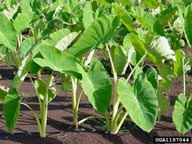 Plant(s); Charles T. Bryson, USDA Agricultural Research Service, Bugwood.org Additional Resolutions & Image Usage |
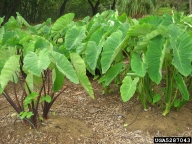 Plant(s); habit Forest and Kim Starr, Starr Environmental, Bugwood.org Additional Resolutions & Image Usage |
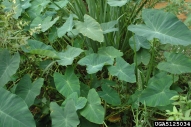 Plant(s); Chris Evans, University of Illinois, Bugwood.org Additional Resolutions & Image Usage |
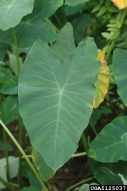 Foliage; Chris Evans, University of Illinois, Bugwood.org Additional Resolutions & Image Usage |
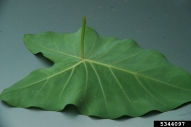 Foliage; David J. Moorhead, University of Georgia, Bugwood.org Additional Resolutions & Image Usage |
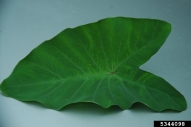 Foliage; David J. Moorhead, University of Georgia, Bugwood.org Additional Resolutions & Image Usage |
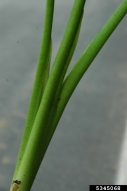 Stem(s); David J. Moorhead, University of Georgia, Bugwood.org Additional Resolutions & Image Usage |
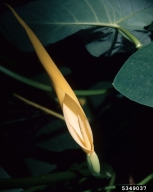 Flower(s); Victor Ramey, University of Florida, Bugwood.org Additional Resolutions & Image Usage |
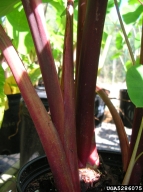 Plant(s); habit Forest and Kim Starr, Starr Environmental, Bugwood.org Additional Resolutions & Image Usage |
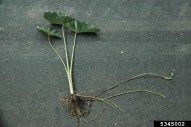 Plant(s); David J. Moorhead, University of Georgia, Bugwood.org Additional Resolutions & Image Usage |
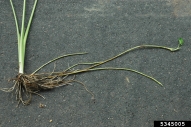 Root(s); David J. Moorhead, University of Georgia, Bugwood.org Additional Resolutions & Image Usage |
 Root(s); David J. Moorhead, University of Georgia, Bugwood.org Additional Resolutions & Image Usage |
 Seed(s); Steve Hurst, USDA NRCS PLANTS Database, Bugwood.org Additional Resolutions & Image Usage |
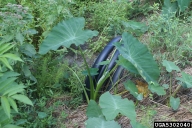 Plant(s); Chuck Bargeron, University of Georgia, Bugwood.org Additional Resolutions & Image Usage |
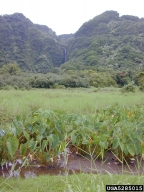 Plant(s); habit Forest and Kim Starr, Starr Environmental, Bugwood.org Additional Resolutions & Image Usage |
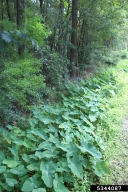 Infestation; Chuck Bargeron, University of Georgia, Bugwood.org Additional Resolutions & Image Usage |
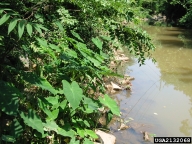 Plant(s); Nancy Loewenstein, Auburn University, Bugwood.org Additional Resolutions & Image Usage |
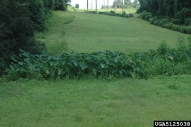 Infestation; Chris Evans, University of Illinois, Bugwood.org Additional Resolutions & Image Usage |
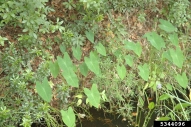 Infestation; David J. Moorhead, University of Georgia, Bugwood.org Additional Resolutions & Image Usage |
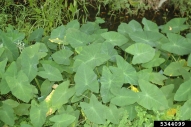 Infestation; David J. Moorhead, University of Georgia, Bugwood.org Additional Resolutions & Image Usage |
| EDDMapS Distribution: This map is incomplete and is based only on current site and county level reports made by experts and records obtained from USDA Plants Database. For more information, visit www.eddmaps.org |
 State List This map identifies those states that list this species on their invasive species list or law. 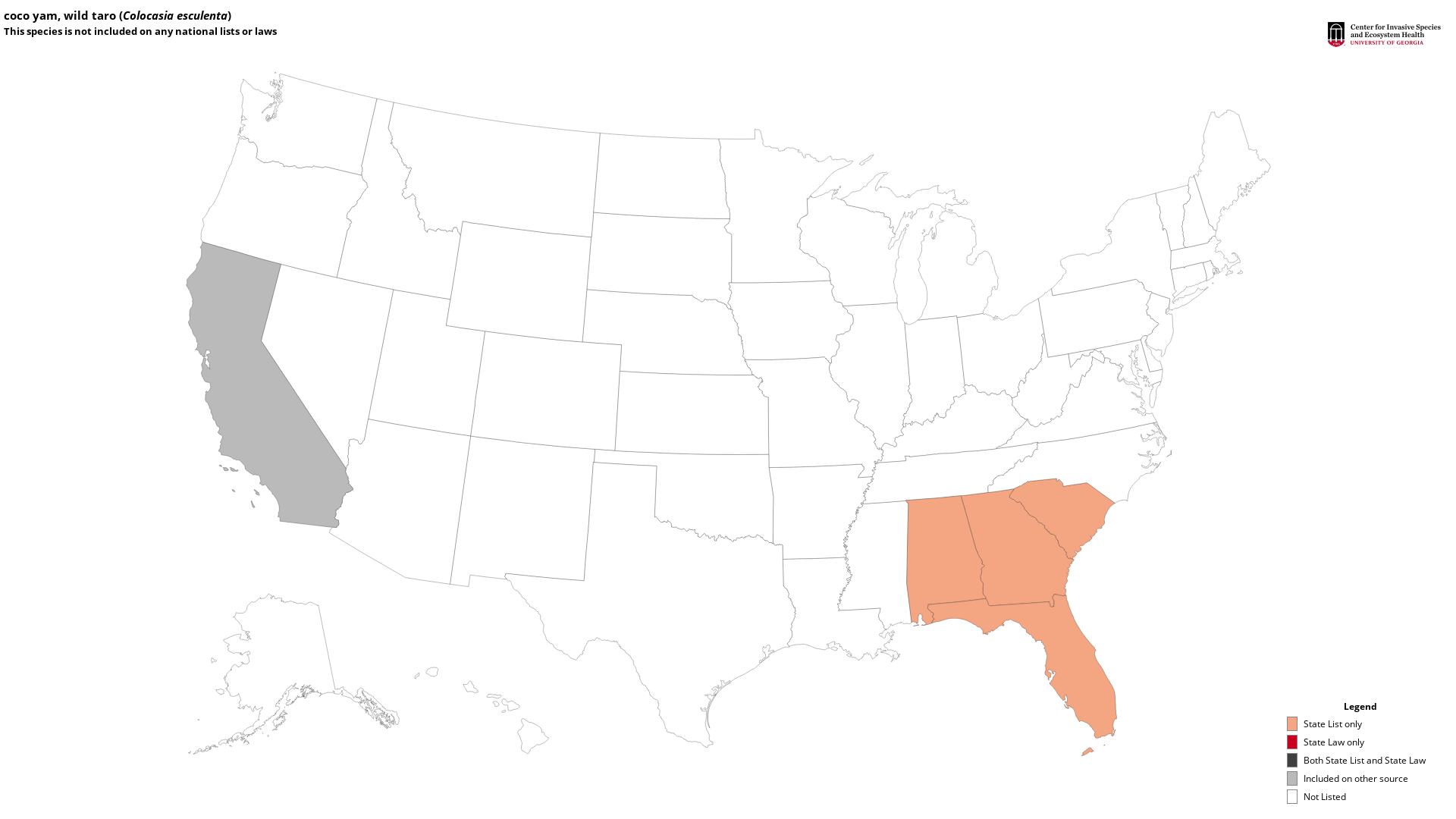
|
| U.S. National Parks where reported invasive: |
| San Antonio Missions National Historical Park (Texas) |


