
| jointed goatgrass | USDA PLANTS Symbol: AECY U.S. Nativity: Exotic Habit: Grass or Grasslike |
| Aegilops cylindrica Host |
Jump to: Resources | Images | Distribution Maps | Sources
|
Taxonomic Rank: Liliopsida: Cyperales: Poaceae |
|
| Synonym(s): jointgrass | |
| Native Range: Temp. & trop. Asia, Europe (GRIN); | |
|
|
Identification, Biology, Control and Management Resources
|
| Selected Images from Invasive.org | View All Images at Invasive.org |
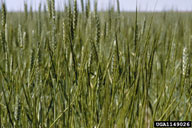 Plant(s); USDA APHIS PPQ - Oxford, North Carolina , USDA APHIS PPQ, Bugwood.org Additional Resolutions & Image Usage |
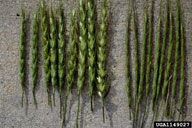 Feature(s); compared to wheat USDA APHIS PPQ - Oxford, North Carolina , USDA APHIS PPQ, Bugwood.org Additional Resolutions & Image Usage |
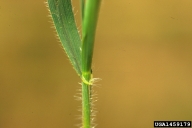 Feature(s); auricles Steve Dewey, Utah State University, Bugwood.org Additional Resolutions & Image Usage |
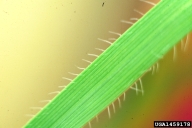 Foliage; Steve Dewey, Utah State University, Bugwood.org Additional Resolutions & Image Usage |
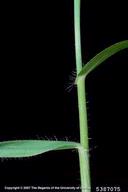 Stem(s); collar and sheath. Joseph M. DiTomaso, University of California - Davis, Bugwood.org Additional Resolutions & Image Usage |
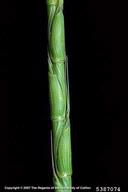 Stem(s); embedded spikelets. Joseph M. DiTomaso, University of California - Davis, Bugwood.org Additional Resolutions & Image Usage |
| EDDMapS Distribution: This map is incomplete and is based only on current site and county level reports made by experts and records obtained from USDA Plants Database. For more information, visit www.eddmaps.org |
 State List This map identifies those states that list this species on their invasive species list or law. 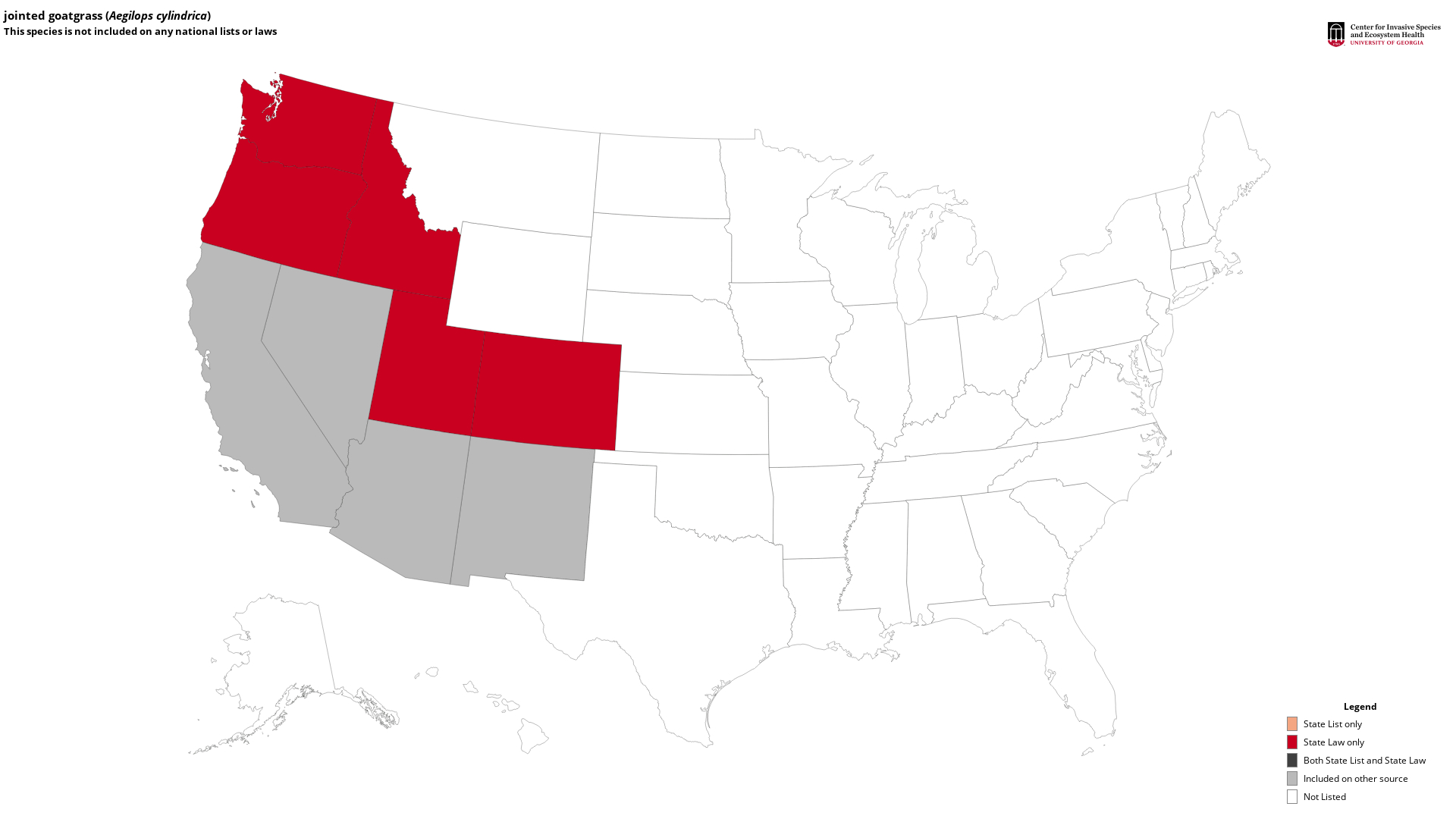
|
| U.S. National Parks where reported invasive: |
| Grand Canyon National Park (Arizona) |


